Konjac vs shirataki: are they the same thing?
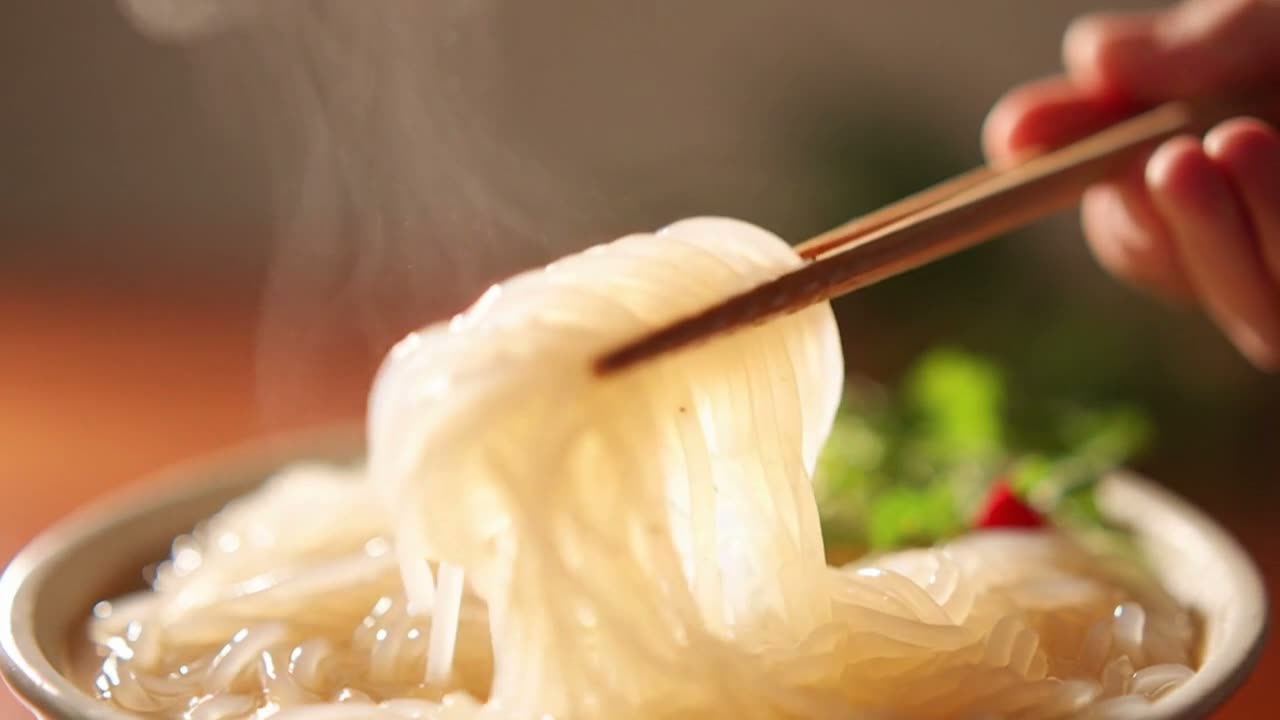
Konjac and shirataki are related but not identical: konjac is the plant and ingredient source, while shirataki is a finished noodle format usually made from konjac glucomannan, water, and a firming alkaline salt.
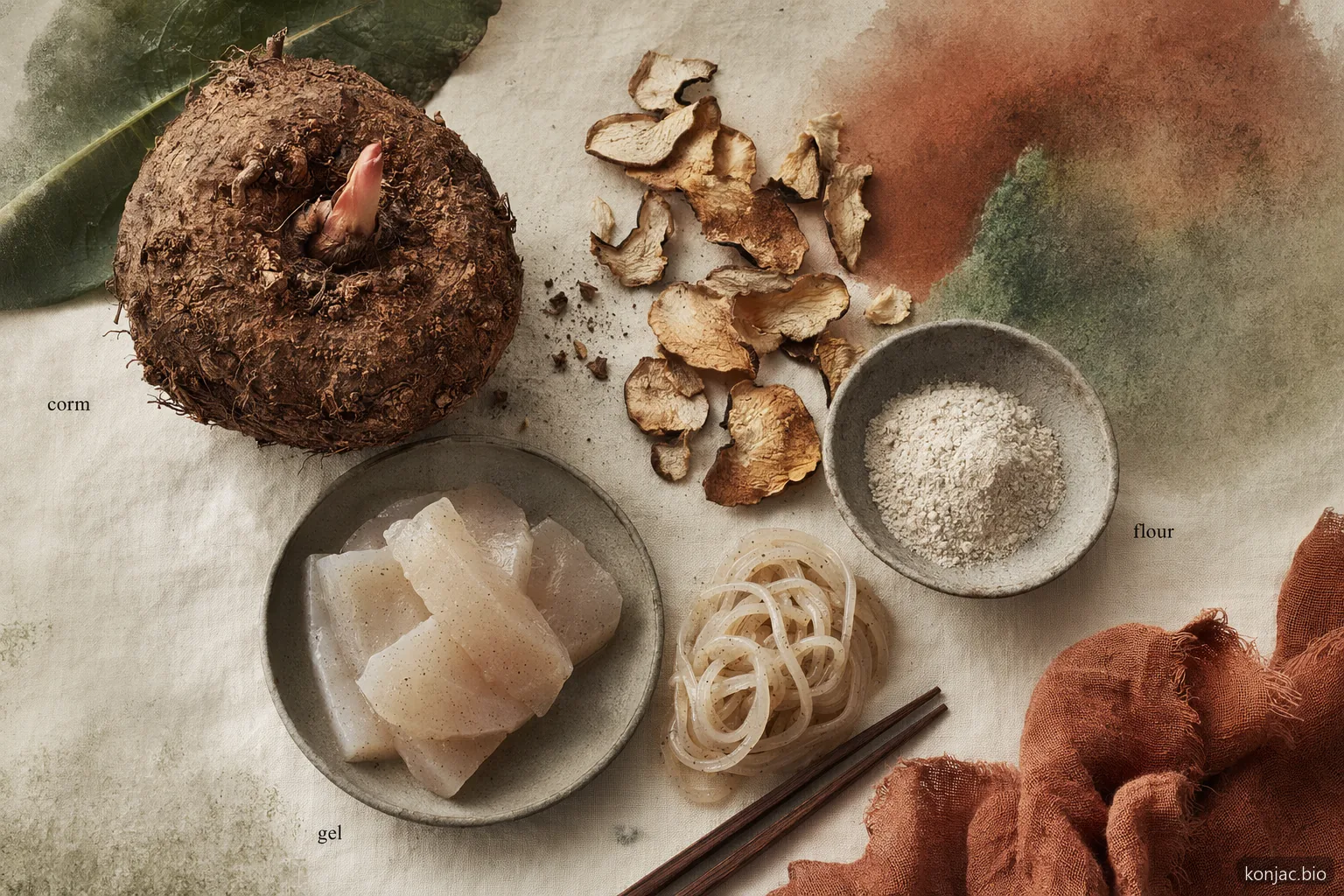
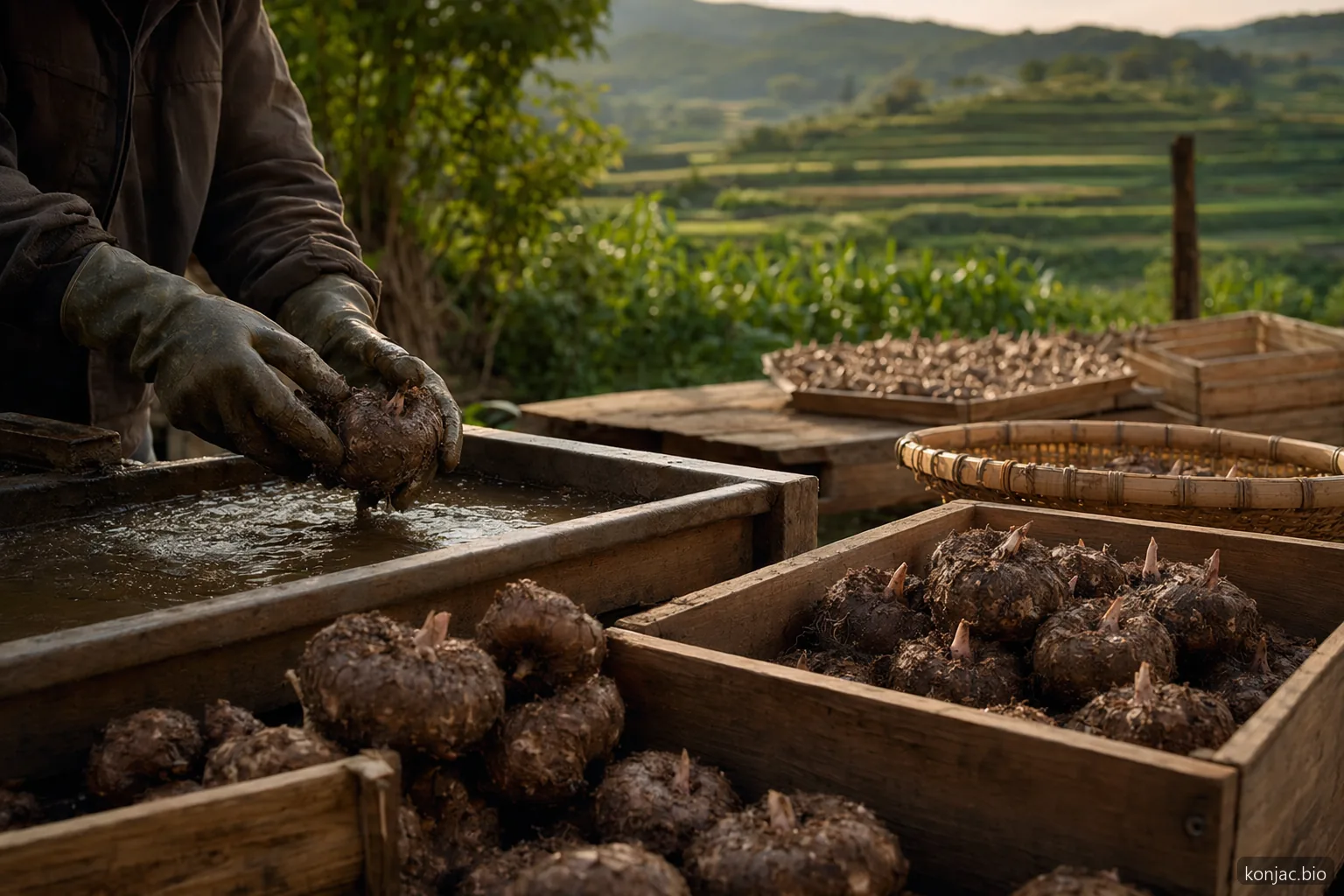
The plant is Amorphophallus konjac, a corm crop valued for glucomannan, a highly viscous soluble fiber described in food hydrocolloid literature as a glucose and mannose polysaccharide konjac review. The ingredient can become konjac flour, purified glucomannan powder, konjac gum E425, shirataki noodles, konjac rice, jelly cups, and cosmetic sponges.
Shirataki is a Japanese-style noodle name that translates roughly to white waterfall. In retail and foodservice, shirataki usually means a wet-packed noodle in water, often translucent, springy, and very low in digestible carbohydrate. Many labels use both terms because shoppers search for konjac and shirataki noodles differently.
| Term | What it means | Typical format | Best use |
|---|---|---|---|
| Konjac | Plant, corm, or ingredient family | Flour, gum, noodles, rice, jelly | Broad ingredient comparison |
| Glucomannan | Main soluble fiber in konjac | Powder, capsule, thickener | Fiber and viscosity applications |
| Shirataki | Konjac-based noodle format | Wet noodles or dry-style products | Low-carb pasta swaps |
| Konjac rice | Konjac shaped as rice grains | Wet or shelf-stable grains | Rice bowl and meal prep swaps |
For searchers asking konjac vs shirataki noodles, the practical answer is simple: shirataki noodles are one product made from konjac. For procurement, the distinction matters because a buyer may need konjac flour for manufacturing, while a retailer may need private-label finished shirataki packs.
How does konjac vs rice compare for carbs, calories, and meals?
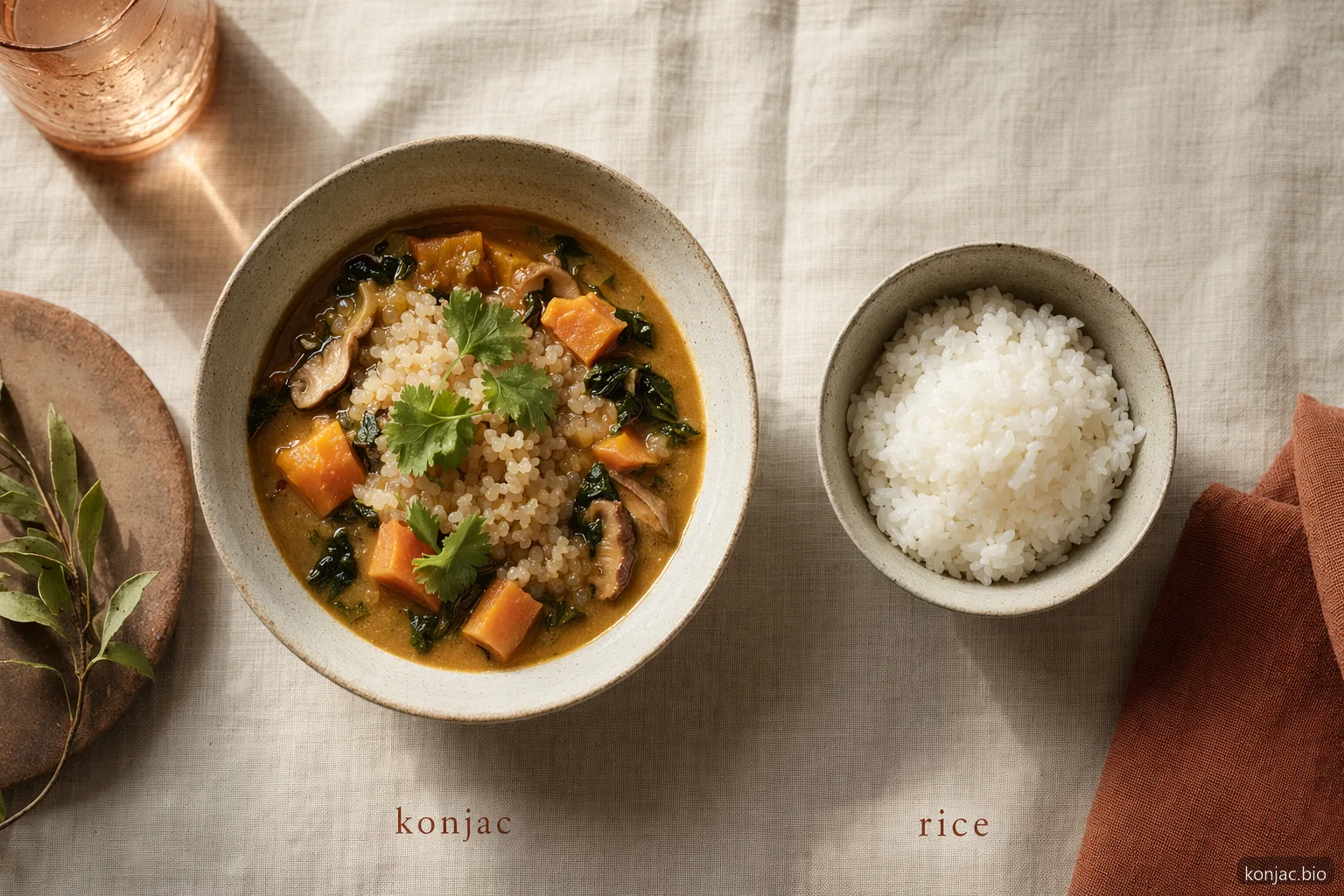
Konjac rice is dramatically lower in calories and digestible carbohydrate than cooked white rice, but cooked rice has a firmer grain texture, natural starch, and broader culinary familiarity.
Cooked white rice is a starchy staple. The USDA FoodData Central listing for cooked enriched long-grain white rice reports about 130 kcal and 28.2 g carbohydrate per 100 g USDA data. Wet-packed konjac rice products vary by formula, but many are mostly water and konjac flour, so their labels often show very low calories per serving.
The tradeoff is structure. Rice grains absorb sauces and release starch, which gives sushi rice, congee, risotto, and fried rice their familiar body. Konjac rice stays springy and watery unless rinsed, drained, and pan-dried. It works best where sauce, egg, vegetables, or protein carry the flavor.
| Use case | Choose konjac rice when | Choose rice when |
|---|---|---|
| Low-carb bowl | You want volume with minimal digestible carbohydrate | You need starch for satiety and texture |
| Meal prep | You can rinse, drain, and dry-fry before saucing | You want reheatable grains with familiar chew |
| Fried rice | You mix with egg, aromatics, and strong sauce | You need browning and grain separation |
| Sushi | You accept a nontraditional texture | You need sticky starch structure |
For keto and calorie-focused meals, konjac rice can help reduce the starch load of a plate. For athletes, children, or anyone wanting a standard carbohydrate staple, cooked rice remains the more conventional option.
A blended approach often gives the best eating experience. Mixing konjac rice with cooked rice at a 50:50 ratio can reduce calories while preserving grain texture, starch aroma, and sauce absorption.
Kelp noodles vs konjac noodles: which texture is better?
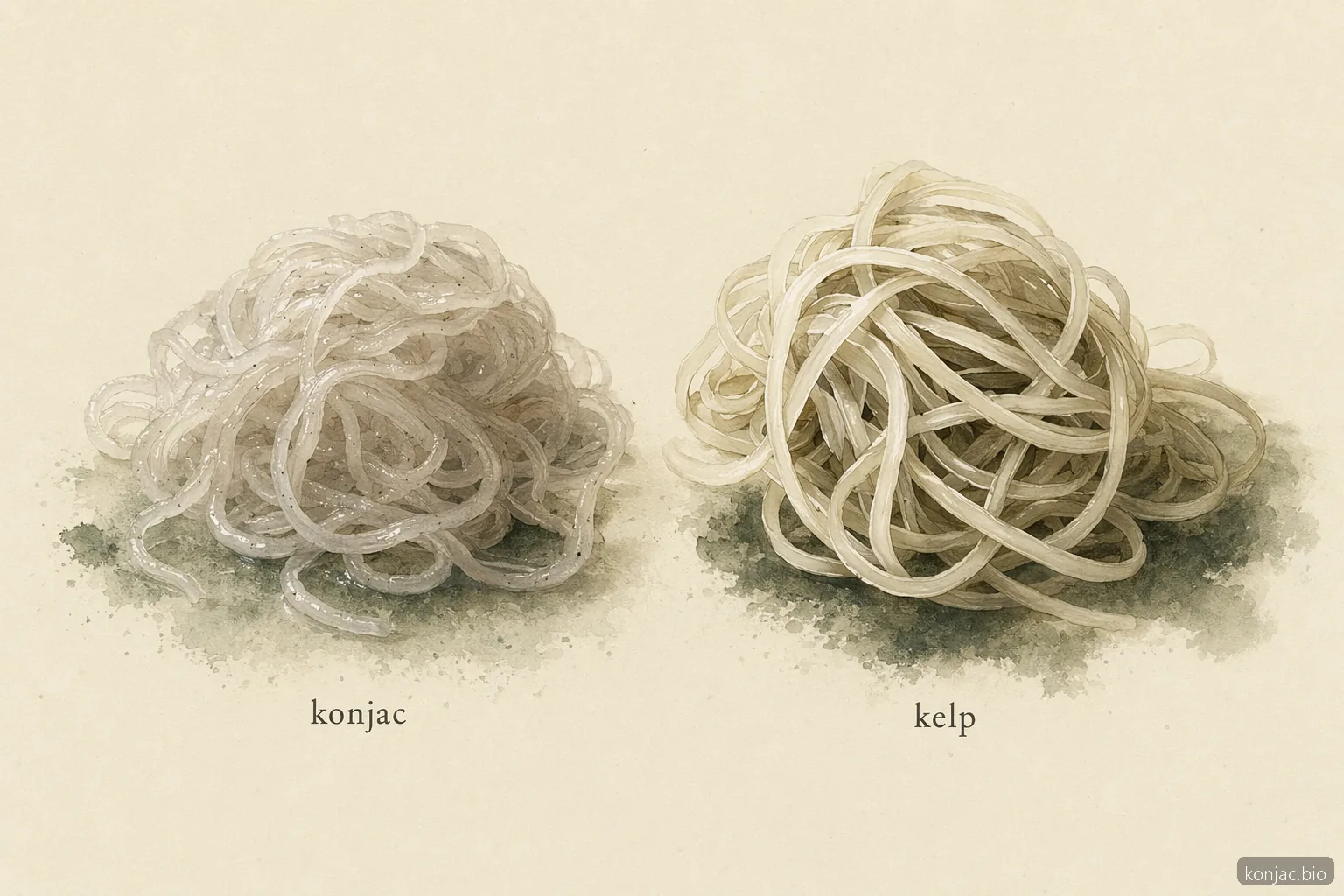
Kelp noodles are usually crunchier and more neutral, while konjac noodles are softer, more elastic, and more gel-like after heating.
Kelp is a brown seaweed, and marine agencies classify kelp forests as large brown algae ecosystems NOAA kelp. Kelp noodles sold for salads and low-carb meals are not the same as a strand of fresh seaweed. They are processed into pale, crisp noodles, and formulas vary by manufacturer.
Konjac noodles are built around glucomannan gel structure. Glucomannan forms viscous solutions and gels in food systems, which is why konjac can become noodles, rice shapes, jelly textures, and thickened sauces food hydrocolloid. This gel structure gives shirataki its bounce but can also create a slick mouthfeel.
| Comparison | Kelp noodles | Konjac noodles |
|---|---|---|
| Texture | Crisp, snappy, sometimes glassy | Springy, soft, elastic |
| Best dishes | Cold salads, raw-style bowls, crunchy slaws | Ramen-style bowls, stir-fries, sauced noodles |
| Flavor | Usually mild, sometimes mineral | Neutral after rinsing and heating |
| Cooking behavior | Can soften with acidic or warm prep | Improves after rinsing and dry-pan heating |
| Nutrition focus | Seaweed-derived ingredient, possible mineral contribution | Glucomannan fiber and very low starch |
Kelp noodles suit diners who want crunch without much cooking. Konjac noodles suit diners who want a hot noodle bowl, noodle stir-fry, or low-carb pasta substitute with more elasticity.
People watching iodine intake should read seaweed-based labels carefully because iodine levels in seaweeds can vary widely, and the NIH notes kelp can contain high iodine concentrations NIH iodine. Konjac does not have the same seaweed iodine issue, although every packaged food still needs label review for sodium, allergens, and additives.
Kelp noodles vs shirataki noodles in shopping labels
Shirataki vs kelp noodles is a label-reading decision: shirataki is typically konjac glucomannan-based, while kelp noodles are seaweed-associated products with a different ingredient story and texture promise.
Retailers often place both products near low-carb pasta, vegan noodles, refrigerated tofu, or shelf-stable Asian ingredients. The shelf location can make them look interchangeable, but their ingredient panels and cooking performance differ. A shopper expecting wheat pasta texture may be surprised by either product.
On a shirataki label, look for water, konjac flour, konjac powder, glucomannan, calcium hydroxide, or another alkaline firming agent. On a kelp noodle label, look for kelp, sodium alginate, water, or mineral salts, depending on the formula. The FDA requires packaged food labels to list ingredients by common or usual name in descending order of predominance 21 CFR 101.
- Check the serving size. Very low calorie claims can look different when the pack contains 2 or 3 servings.
- Check sodium. Wet-packed noodles may include alkaline water or salt-containing ingredients.
- Check preparation instructions. Shirataki often benefits from rinsing and dry heating, while kelp noodles may be served cold or softened.
- Check allergens and facility statements. Seaweed, soy-adjacent merchandising, and mixed ready meals can differ by factory.
For brand owners, the label decision affects positioning. Shirataki is usually easier to connect to low-carb, keto, and glucomannan searches. Kelp noodles may appeal to raw-style salad, sea vegetable, or crunchy noodle buyers, but iodine-related consumer questions require tighter label education.
How does glucomannan vs psyllium compare as a fiber?
Glucomannan and psyllium are both soluble, water-binding fibers, but glucomannan comes from konjac corm and is more strongly associated with gelled konjac foods, while psyllium comes from Plantago husk and is common in fiber powders and bakery formulas.
Glucomannan is the main functional fiber in konjac. The FDA lists glucomannan among isolated or synthetic non-digestible carbohydrates included in its dietary fiber framework when they meet the physiological benefit criteria FDA fiber. EFSA’s authorized wording for weight management is specific: “Glucomannan in the context of an energy restricted diet contributes to weight loss” EFSA claim.
Psyllium husk is derived from Plantago seed husks and is widely used because it hydrates into a mucilaginous gel. The FDA has also evaluated soluble fiber from psyllium husk in relation to cholesterol-related qualified health claim language under defined intake and labeling conditions FDA claims.
| Factor | Glucomannan | Psyllium |
|---|---|---|
| Botanical source | Amorphophallus konjac corm | Plantago ovata seed husk |
| Main behavior | High viscosity, gel formation, noodle and jelly structure | Mucilage gel, thickening, water-binding bulk |
| Common formats | Konjac flour, glucomannan powder, shirataki, capsules | Husk powder, capsules, bakery fiber |
| Best fit | Low-carb foods, thick gels, satiety-focused supplements | Fiber drinks, baking blends, daily fiber routines |
Both fibers need enough water when consumed as powders or capsules. Labels should give directions for serving size, hydration, and timing because high-viscosity fibers thicken quickly in liquid.
Konjac vs chia: which thickens better?
Konjac thickens faster and more powerfully at low usage levels, while chia creates a seed gel with visible texture, fat, protein, and a different nutritional profile.
Konjac flour and glucomannan powder are concentrated hydrocolloids. Small percentages can noticeably increase viscosity in sauces, beverages, noodle gels, and vegan texturizing systems. Food additive evaluations describe konjac gum and konjac glucomannan as thickening and gelling agents, with JECFA listing konjac flour and related specifications in its additive database JECFA database.
Chia seeds come from Salvia hispanica. They hydrate into a gel around the seed surface, which is useful for puddings, overnight oats, smoothie bowls, and vegan egg-style binding. USDA data for chia seeds shows that they also contribute fat, protein, and calories, unlike purified konjac gum that is used at much smaller percentages USDA data.
| Need | Choose konjac | Choose chia |
|---|---|---|
| Clear or smooth gel | Better fit because it can hydrate without visible seeds | Less suitable because seeds remain visible |
| Seed texture | Not the goal | Better fit for pudding and bowls |
| Low usage rate | Strong thickening at small percentages | Requires more material for spoonable texture |
| Nutrition contribution | Mainly functional fiber | Fiber plus fat, protein, and minerals |
Konjac is the better choice for manufacturers who need viscosity without seed particles. Chia is the better choice when the seed identity is part of the recipe, the mouthfeel, and the front-of-pack story.
Shirataki vs zoodles, hearts of palm, and wheat pasta
Shirataki is the lowest-starch option in this group, while zoodles, hearts of palm noodles, and wheat pasta each win on freshness, vegetable identity, or traditional pasta bite.
Zoodles, usually spiralized zucchini, are fresh vegetable noodles. They cook quickly, release water, and taste like zucchini. They suit fast sautéed dishes but can collapse under heavy sauces or long holding times.
Hearts of palm noodles are vegetable-based strips made from palm stem tissue. They usually have a tender bite and slight acidity from packing liquid. They can feel closer to a vegetable side dish than a pasta replacement.
Wheat pasta is built on starch and gluten proteins, so it has a firm bite that konjac cannot fully copy. Standard enriched cooked spaghetti contains about 158 kcal per 100 g in USDA FoodData Central listings, with carbohydrate as the main macronutrient USDA data.
| Noodle | Main strength | Main limitation | Best sauce |
|---|---|---|---|
| Shirataki | Very low starch, shelf-stable formats available | Slick, springy texture | Broth, spicy sauce, stir-fry sauce |
| Zoodles | Fresh vegetable taste | Watery when overcooked | Pesto, garlic oil, light tomato |
| Hearts of palm | Tender vegetable bite | Acidic pack note possible | Cream sauce, lemon herb, marinara |
| Wheat pasta | Traditional chew and sauce cling | Higher carbohydrate and calories | Almost any classic pasta sauce |
For home cooking, the best result often comes from matching sauce to noodle structure. Shirataki needs bold seasoning and dry heating. Zoodles need salt control and fast cooking. Wheat pasta needs boiling water, starch, and timing.
For commercial product development, each format implies a different shelf life, water activity target, filling process, and consumer expectation. A shelf-stable konjac noodle pouch is not operationally equivalent to a fresh spiralized vegetable pack.
Procurement comparison: raw konjac, OEM noodles, and private label
Procurement decisions should separate ingredient sourcing from finished-product sourcing because konjac flour, glucomannan powder, wet shirataki, konjac rice, and jelly cups have different specifications, audits, packaging, and minimum order quantities.
A food manufacturer buying glucomannan powder needs viscosity range, purity, particle size, moisture, ash, microbiology, heavy metal limits, and country-of-origin documents. A retailer buying finished noodles needs packaging artwork, nutrition panels, shelf-life validation, carton configuration, barcode management, and import documentation.
Quality systems matter because konjac products are high-moisture gels, dry powders, or ready-to-eat snacks depending on the SKU. Common audit and certification language includes HACCP, ISO 22000, FSSC 22000, BRCGS, kosher, halal, and organic certification, depending on market and channel. ISO describes ISO 22000 as a food safety management system standard for organizations in the food chain ISO 22000.
konjac.bio can help buyers compare wholesale konjac flour, private-label shirataki, konjac rice, and OEM formats, with sourcing conversations available at contact.
| Buying path | Typical buyer | Key documents | Risk to check |
|---|---|---|---|
| Konjac flour | Food manufacturer | COA, specification, microbiology, allergen statement | Viscosity variation and hydration behavior |
| Glucomannan powder | Supplement or food brand | Purity, particle size, heavy metals, label support | Clumping, dosage directions, compliance language |
| Wet shirataki | Retailer or foodservice distributor | Shelf life, process flow, nutrition panel, carton specs | Odor control, pack leakage, texture consistency |
| Konjac jelly | Snack brand | Formula, cup size, warning language, market rules | Choking-risk controls and market restrictions |
Konjac jelly requires special attention because regulators have issued safety communications about mini-cup gel candies containing konjac. The FDA has warned consumers about choking hazards associated with certain konjac mini-cup gel candies FDA advisory. Finished jelly formats should be reviewed by market, cup design, gel strength, labeling, and age-targeting before launch.
For buyers comparing konjac vs alternatives at scale, landed cost should include yield, water content, freight density, case pack, shelf life, preparation waste, and return risk. A cheaper noodle can be more expensive if it leaks, breaks, smells strongly after opening, or needs a longer consumer education cycle.
Frequently asked questions
01 Is konjac vs shirataki a real difference?
02 Are konjac noodles better than kelp noodles?
03 Are kelp noodles vs shirataki noodles the same comparison as kelp vs konjac?
04 Does glucomannan have an approved weight-management claim?
05 Can I replace all rice with konjac rice?
06 Is konjac powder the same as konjac flour?
07 Why do shirataki noodles smell unusual when opened?
08 Which is better for private label: konjac rice or shirataki noodles?
- Konjac: The Plant Behind Shirataki, Jelly, Flour, and Sponges
- Shirataki Noodles: The Complete Guide to Konjac Pasta
- Glucomannan Guide: Benefits, Dosage, Safety, and Forms
- Konjac Flour and Powder: The Food-Ingredient Guide
- Konjac Rice: The Low-Carb Rice Swap, Cooked Right
- Konjac for Keto and Weight Loss: Evidence and Practical Use
- Glucomannan and body weight claim scientific opinion · EFSA · 2010
- Questions and Answers on Dietary Fiber · U.S. Food and Drug Administration · 2024
- Import Alert 33-15: Detention Without Physical Examination of Gel Candies Containing Konjac · U.S. Food and Drug Administration · 2024
- Konjac Glucomannan: From Molecular Architecture to Translational Applications. A Critical Review of Structure-Function Relationships, Emerging Biomedical Frontiers, and Industrial Challenges · Foods (PubMed) · 2026
- Iodine Fact Sheet for Health Professionals · NIH Office of Dietary Supplements · 2024
- What is kelp? · NOAA · 2024
- ISO 22000 Food Safety Management · ISO · 2018