What is the real difference in konjac vs shirataki?
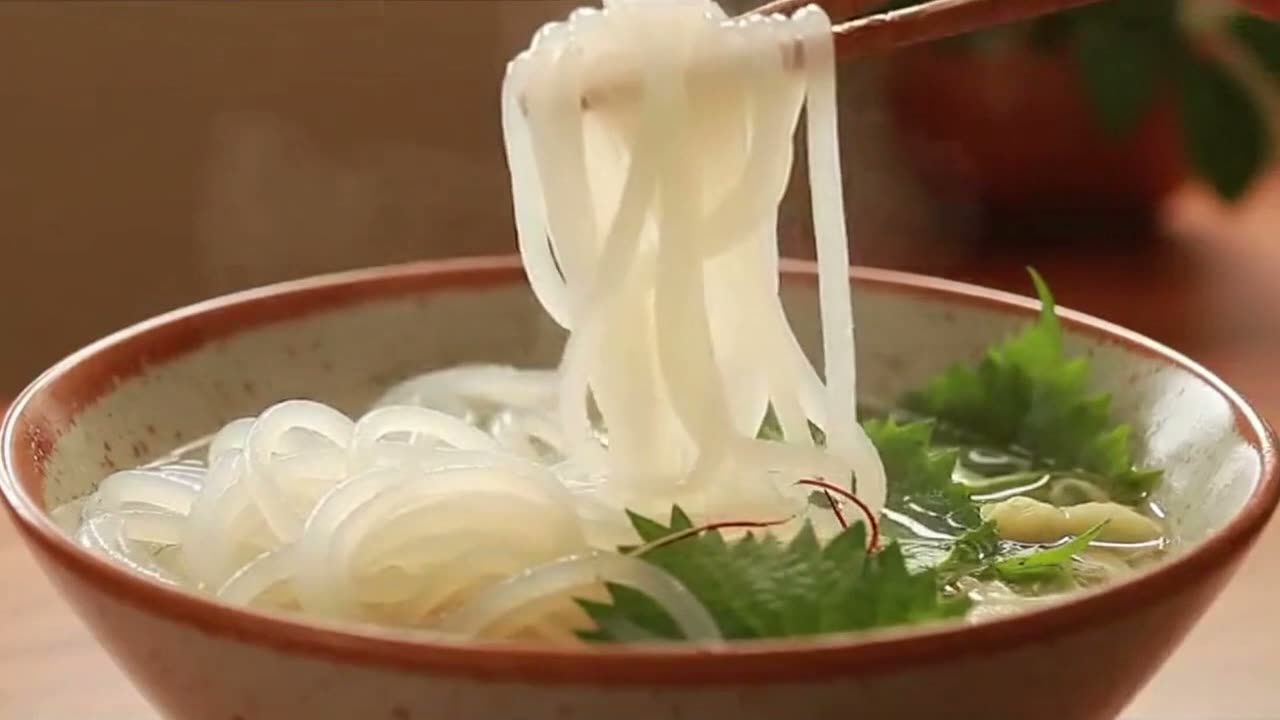
konjac vs shirataki means ingredient versus finished food: konjac is the plant-derived material, while shirataki is a noodle made with it.
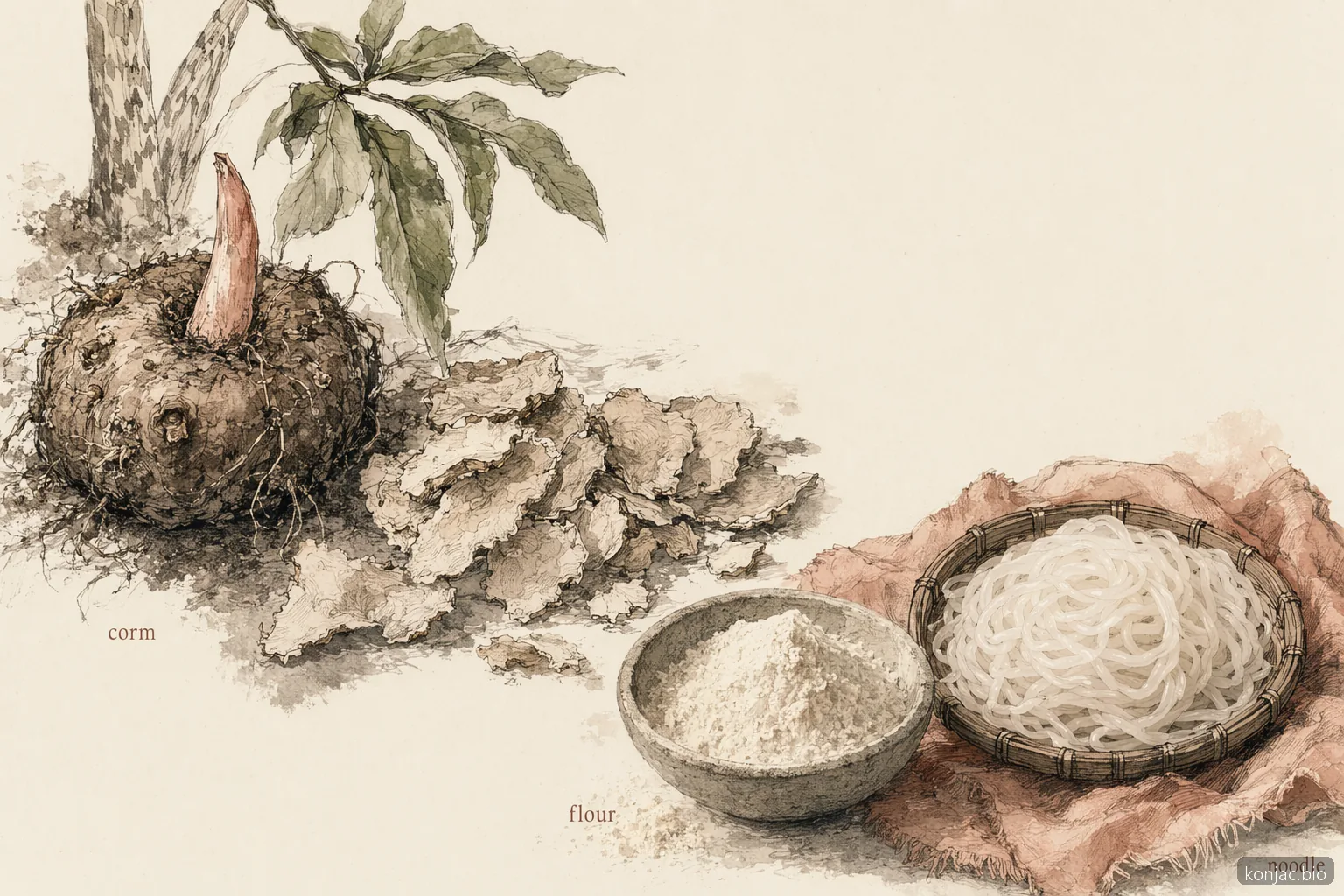
Konjac comes from the corm of Amorphophallus konjac, an Asian arum species recorded in NCBI Taxonomy. Food manufacturers process the corm into konjac flour or purified glucomannan, a water-binding polysaccharide that creates viscosity and gel texture.
Shirataki is a food format. Traditional shirataki noodles combine water, konjac glucomannan or konjac flour, and an alkaline setting agent such as calcium hydroxide. The result is a translucent, elastic noodle that is sold wet-packed, shelf-stable, chilled, or in some markets dried.
| Comparison point | Konjac | Shirataki |
|---|---|---|
| Category | Plant, flour, gum, or glucomannan ingredient | Noodle or rice-style finished food |
| Main role | Thickener, gelling agent, fiber source | Low-calorie noodle substitute |
| Typical form | Powder, granule, flour, purified fiber | Wet noodles in water pack |
| Best buyer | Food developer or ingredient buyer | Home cook, meal kit, retail brand |
For a broader category map, see Konjac vs. Everything, which compares konjac with other fibers, starches, and noodle formats.
konjac vs shirataki nutrition: calories, carbs, and fiber
konjac vs shirataki nutrition differs because one is an ingredient and the other is a hydrated food. Konjac powder is concentrated fiber, while shirataki noodles are mostly water with a small amount of konjac glucomannan.
Typical wet shirataki noodles are very low in calories because water makes up most of the serving weight. Retail labels commonly show small calorie and carbohydrate values per serving, but exact numbers depend on noodle thickness, serving size, and whether oat fiber, tofu, seaweed, or other ingredients are added.
Konjac glucomannan is the nutrition component that drives most label interest. EFSA reviewed glucomannan and authorized the claim: “Glucomannan in the context of an energy restricted diet contributes to weight loss,” with use conditions of 3 g daily in three 1 g doses with 1 to 2 glasses of water before meals, as stated in the EFSA opinion.
In the United States, dietary fiber labeling follows FDA definitions and Nutrition Facts rules. The FDA explains that fibers on labels must meet specific regulatory criteria for dietary fiber, described in its FDA fiber guidance.
For practical comparison, choose shirataki when you want a ready noodle. Choose konjac flour or glucomannan when you want to build texture, viscosity, fiber content, or gel strength into a recipe or manufactured food.
How are shirataki noodles made from konjac?
Shirataki noodles are made by hydrating konjac flour or glucomannan, mixing it with water, setting it with alkali, shaping it, and packing it in water.
The process starts with konjac powder dispersed into water. Because glucomannan binds water strongly, processors control shear, temperature, hydration time, and powder addition rate to avoid clumping. A small amount of calcium hydroxide or another approved alkaline coagulant helps form the springy gel structure associated with shirataki.
- Hydrate: Konjac flour or glucomannan is mixed into water until evenly dispersed.
- Set: Alkali raises pH and helps create a firm gel network.
- Shape: The gel is extruded or cut into noodles, rice-style pieces, or sheets.
- Rinse and pack: Noodles are rinsed and sealed in water or brine.
- Heat process: Finished packs are heated or otherwise stabilized according to the product design.
The mild alkaline aroma in many wet-packed shirataki products comes from the water pack and setting system, not from spoilage when the product is within date and properly sealed. Rinsing for 30 to 60 seconds and dry-heating in a pan often improves aroma and texture for home cooks.
Food developers compare konjac with purified glucomannan when they need more precision. The related guide konjac vs glucomannan explains why flour, gum, and purified fiber behave differently in formulation.
When should formulators choose konjac instead of shirataki?
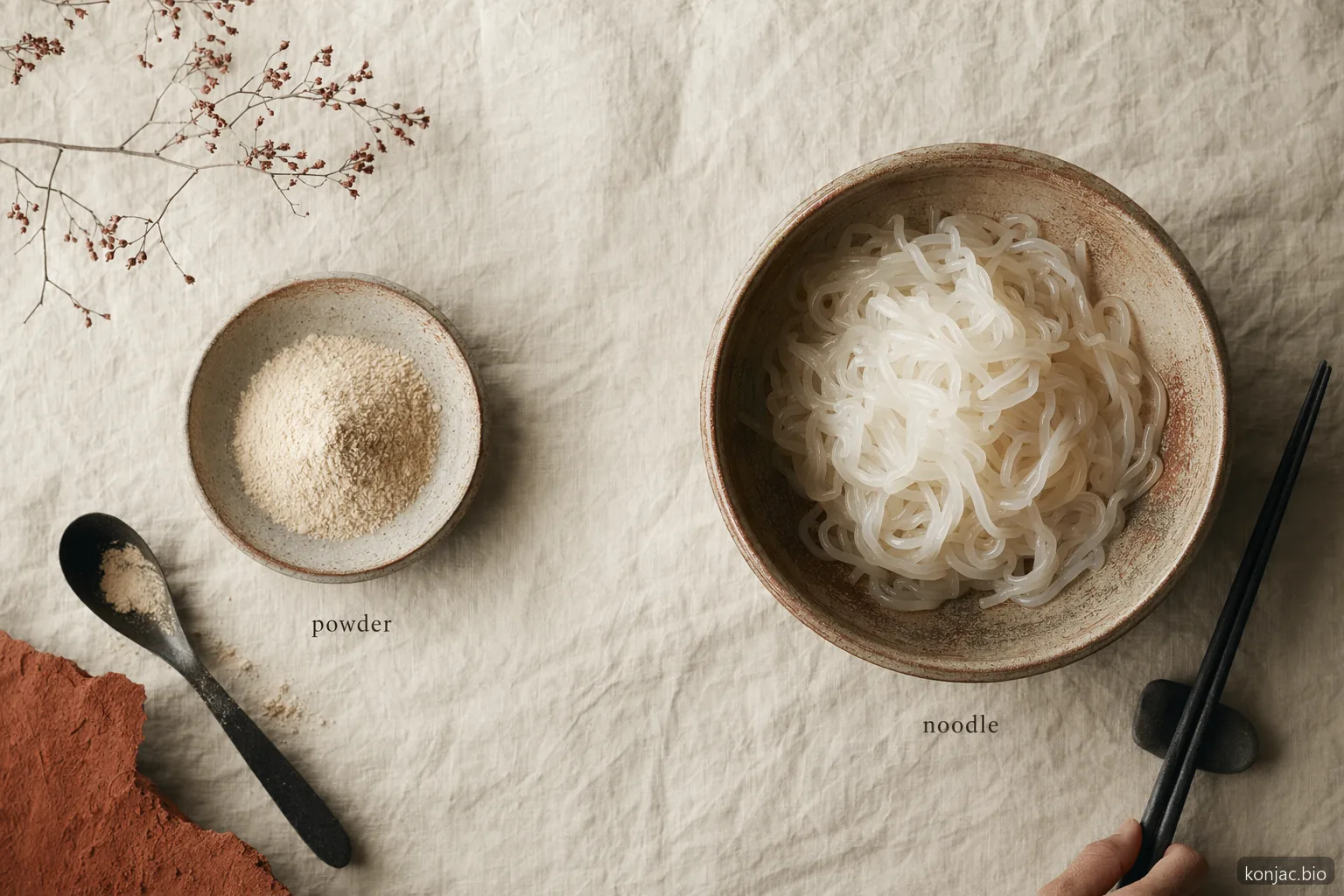
Formulators should choose konjac instead of shirataki when they need a functional ingredient rather than a finished noodle.
Konjac flour and glucomannan can build viscosity in sauces, improve water retention in plant-based foods, add fiber to beverages or gels, and create elastic textures in noodle systems. Shirataki is already a completed format, so it is less flexible for product design unless the product concept is a ready-to-cook noodle, rice substitute, or meal component.
| Use case | Better choice | Why |
|---|---|---|
| Retail noodle pouch | Shirataki | Finished texture and serving format |
| Plant-based gel or bite | Konjac | Controls firmness and water binding |
| Low-calorie pasta kit | Shirataki | Fast consumer preparation |
| Custom sauce or soup | Konjac | Thickening and suspension |
| Fiber-forward formulation | Konjac glucomannan | Higher concentration per gram |
konjac.bio sources konjac ingredients at wholesale for brands, formulators, and distributors seeking consistent specifications. For quotes, documentation, and pack-size options, contact the team.
Konjac also competes with other soluble fibers in thickening and label strategy. If your decision is fiber-to-fiber rather than noodle-to-ingredient, compare konjac vs psyllium for hydration, texture, and consumer positioning.
Safety, labels, and buying checks for konjac and shirataki
Safety checks for konjac and shirataki focus on hydration, product format, serving directions, and label transparency. Wet shirataki noodles and dry konjac powders have different risk profiles because one is already hydrated and the other expands when mixed with liquid.
For powders and capsules, use label directions and consume with adequate water. EFSA’s glucomannan assessment includes the condition that the authorized weight-management claim applies only when 1 g portions are taken with 1 to 2 glasses of water before meals, as detailed in the EFSA opinion.
Mini-cup gel candies containing konjac have a separate safety history. The FDA has warned about choking risk from certain mini-cup gel candy products containing konjac because their size, shape, and gel strength can create a hazard, described by FDA konjac materials.
Use this quick buying checklist:
- Ingredient line: Look for water, konjac flour or glucomannan, and calcium hydroxide.
- Serving size: Compare calories and fiber per prepared serving, not per package only.
- Odor: Expect mild alkaline aroma in wet packs, but reject leaking or swollen packs.
- Texture goal: Choose thin noodles for soups and thicker cuts for stir-fries.
- Documentation: For B2B purchases, request specification sheets, allergen statements, and food safety certifications such as ISO 22000 or HACCP-based programs.
Frequently asked questions
01 Is konjac the same as shirataki?
02 Is shirataki always made from konjac?
03 Which is better for low-calorie meals, konjac or shirataki?
04 Does konjac glucomannan support weight management?
05 Are konjac and shirataki safe to eat?
- Amorphophallus konjac K.Koch · Plants of the World Online, Royal Botanic Gardens Kew · 2024
- Scientific Opinion on glucomannan and body weight claims · European Food Safety Authority · 2010
- Questions and Answers on Dietary Fiber · U.S. Food and Drug Administration · 2024
- Import Alert 33-15: Detention Without Physical Examination of Gel Candies Containing Konjac · U.S. Food and Drug Administration · 2024
- Glucomannan and obesity: a critical review · Alternative Therapies in Health and Medicine (PubMed) · 2005