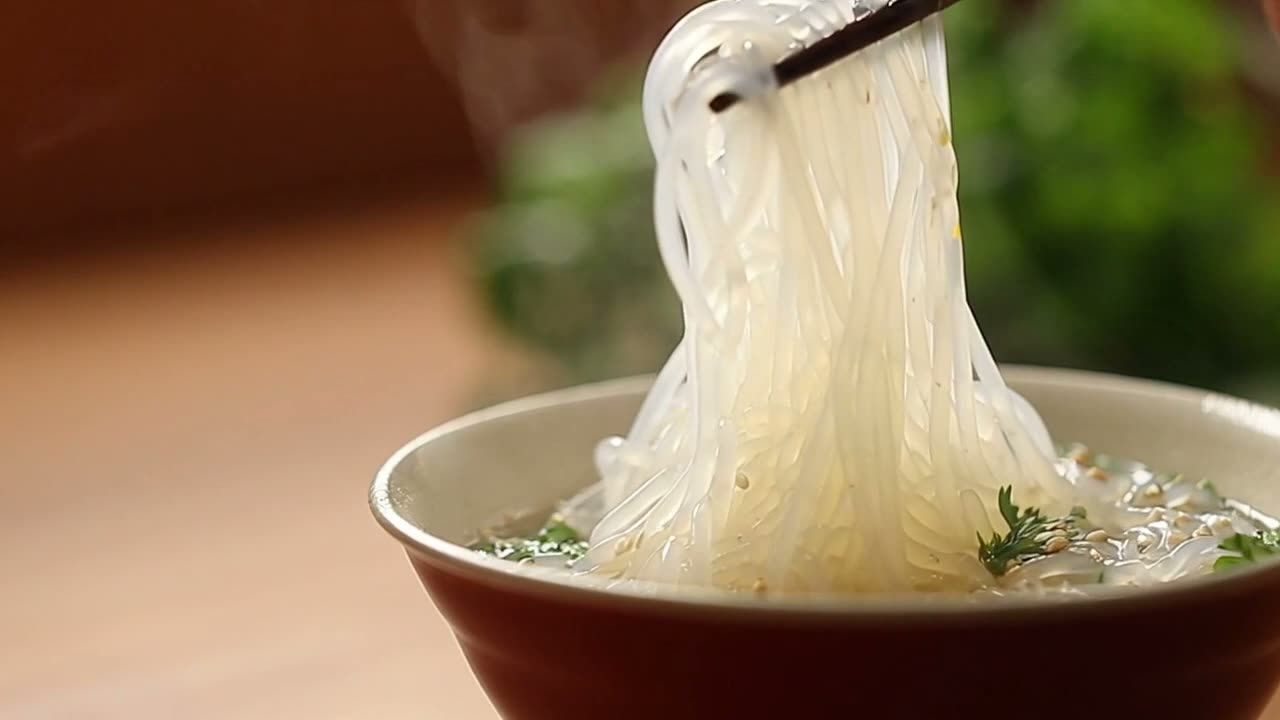
Kelp noodles vs shirataki noodles: what is the main difference?
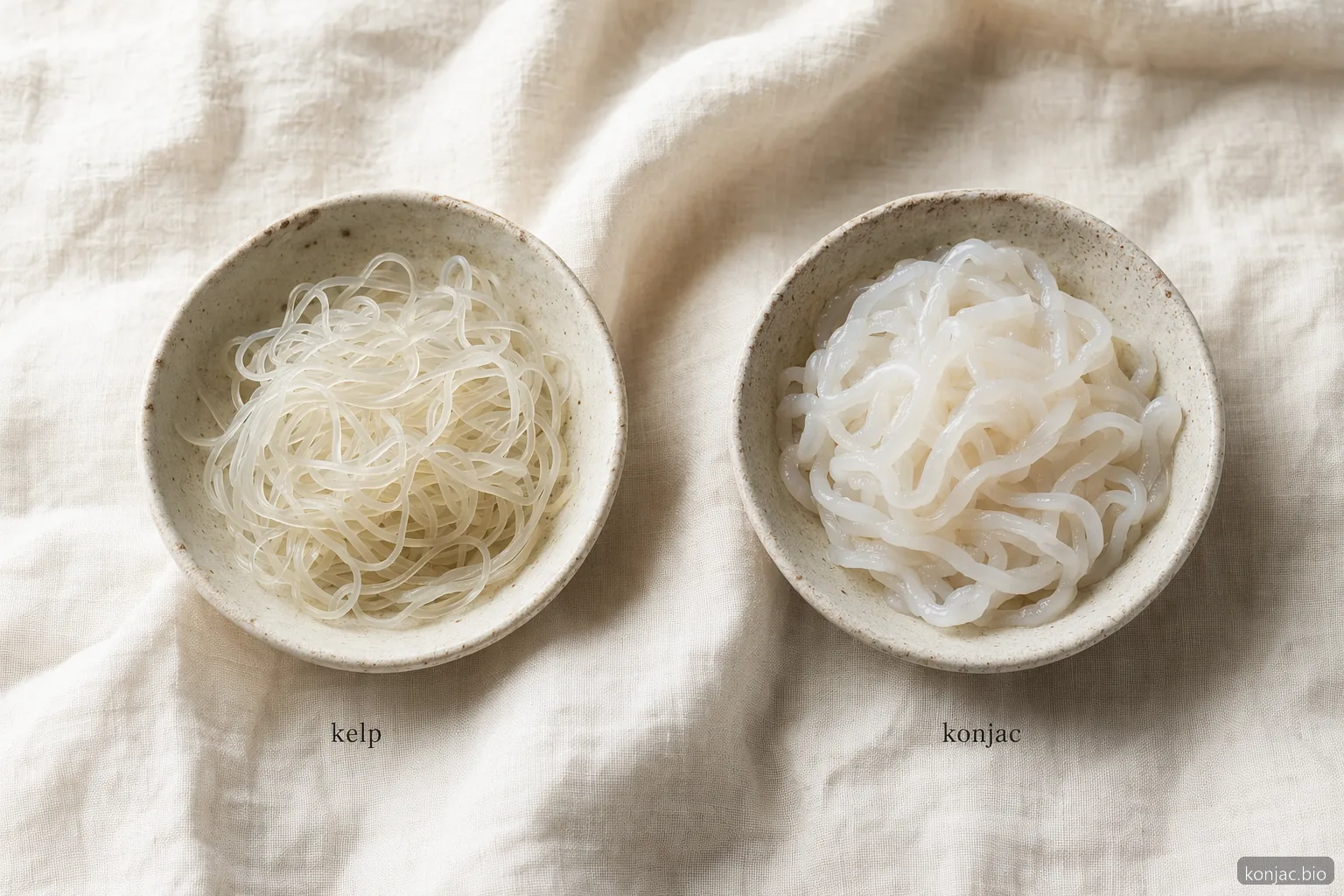
The main difference is that shirataki noodles are konjac-based and fiber-rich, while kelp noodles are seaweed-based and typically crunchier.
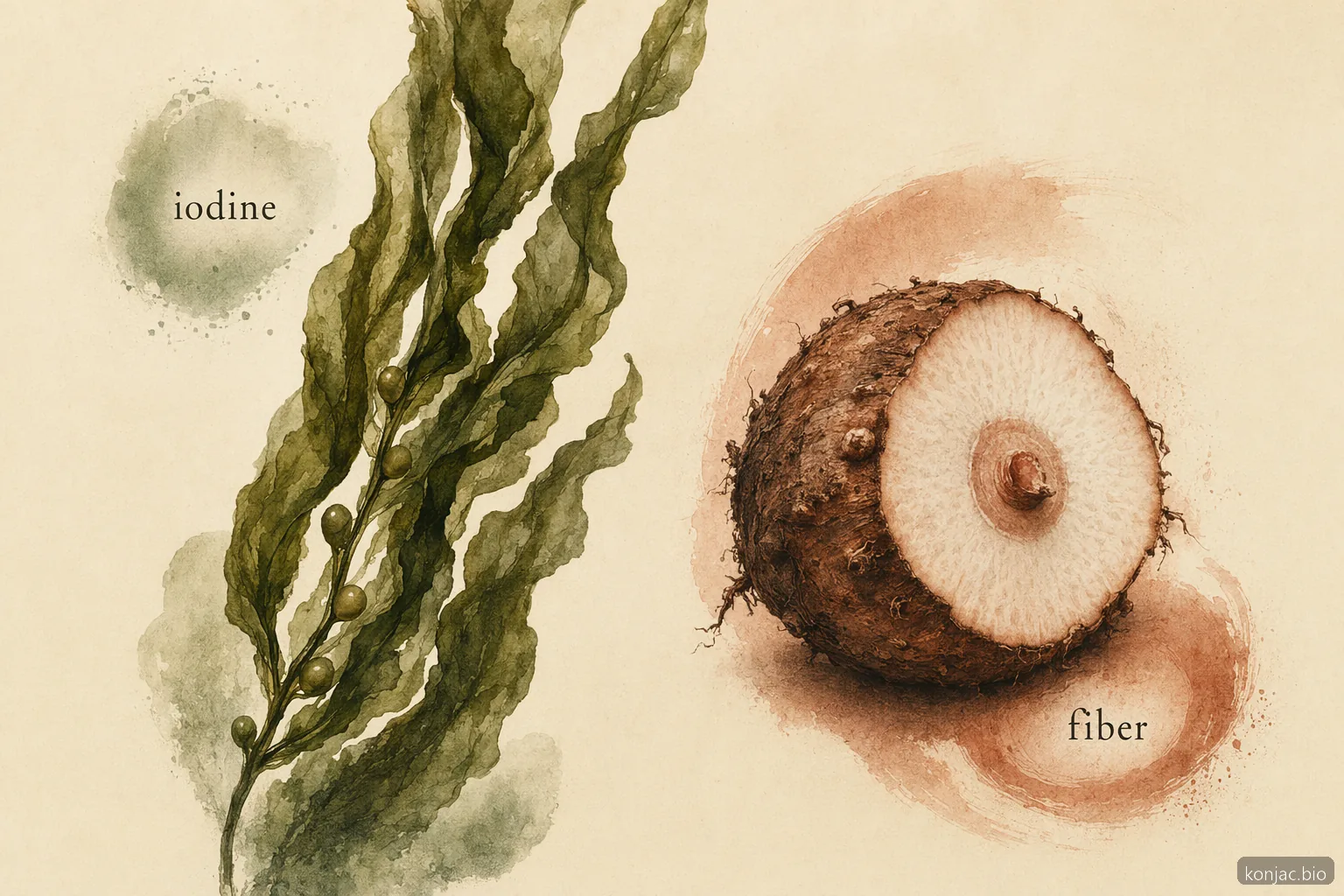
Shirataki noodles come from the corm of Amorphophallus konjac, a plant processed into konjac flour and glucomannan. EFSA identifies konjac mannan, also called glucomannan, as a dietary fiber linked to specific authorized nutrition claims under defined conditions in its EFSA opinion.
Kelp noodles are generally made from kelp-derived ingredients, often including water and alginate-style seaweed components. Seaweeds can contain highly variable iodine levels, and the NIH notes that kelp is among the seaweed types that may contain high iodine amounts in its NIH iodine fact sheet.
| Feature | Shirataki noodles | Kelp noodles |
|---|---|---|
| Main source | Konjac corm | Kelp seaweed |
| Key component | Glucomannan soluble fiber | Seaweed minerals and alginate-type texture |
| Texture | Soft, slippery, elastic | Crisp, crunchy, snappy |
| Best use | Hot stir-fries, ramen-style bowls, sauces | Cold salads, raw bowls, chilled noodle dishes |
For a broader ingredient map, see the parent guide: konjac comparisons.
Kelp noodles are typically built around sodium alginate, a food-grade extract from brown seaweed permitted for food use under U.S. federal regulation 21 CFR 184.1724. That specific seaweed-derived ingredient is behind kelp noodles' characteristic crunch, and it is what separates this comparison (sometimes framed as kelp noodles vs konjac noodles, since shirataki is the retail name for konjac noodles) from a simple texture debate.
Are kelp noodles vs shirataki noodles better for calories and carbs?
Both are low-calorie noodle options, but shirataki noodles usually provide more meaningful fiber while kelp noodle nutrition varies more by formulation.
Most packaged shirataki noodles are packed in water and have very low calories per serving because glucomannan is a water-holding soluble fiber. The important number is the drained serving size, not the total pouch weight. A 200 g pouch may list 2 servings, while another pouch may list the whole bag as 1 serving.
Kelp noodles can also be very low in calories, but they are not automatically a fiber-equivalent swap for shirataki. Some packs emphasize seaweed origin and crunch, while others are formulated for a softer texture. The Nutrition Facts panel is the reliable comparison point because the FDA requires packaged foods to display calories, carbohydrate, fiber, sodium, and serving size on the FDA label.
- For lowest net-carb style meals: compare total carbohydrate and dietary fiber per drained serving.
- For higher fiber: shirataki is usually the stronger choice because glucomannan is the defining ingredient.
- For sodium control: rinse either noodle type and check the label before buying.
- For calorie counting: compare 100 g drained weight when possible, not package size.
If you are comparing other low-calorie noodle swaps, the sibling guides shirataki noodles vs rice noodles and konjac vs glass noodles help place shirataki in a wider noodle category.
Do kelp noodles vs shirataki noodles offer the same health benefits?
No, kelp noodles and shirataki noodles do not offer the same nutrition profile because shirataki is centered on glucomannan fiber and kelp noodles are centered on seaweed-derived texture.
For glucomannan, EFSA has authorized the claim: “Glucomannan in the context of an energy restricted diet contributes to weight loss.” EFSA also specifies conditions of use, including 3 g glucomannan daily in three 1 g doses with 1 to 2 glasses of water before meals, as detailed in the EFSA opinion.
That wording matters. Shirataki noodles may support a fiber-forward eating pattern, but the EFSA claim applies to a defined glucomannan intake, water intake, and energy-restricted diet context. A small noodle serving does not automatically equal the studied 3 g daily glucomannan amount.
Kelp noodles have a different consideration: iodine variability. Iodine is an essential nutrient, and the NIH lists seaweed, including kelp, as a concentrated but variable source in its NIH iodine guidance. That makes kelp noodles a food to label-check, not a precise iodine supplement.
For everyday meals, the practical choice is simple. Choose shirataki when soluble fiber and hot noodle texture matter most. Choose kelp noodles when a crisp, seaweed-based noodle fits the dish.
Texture, taste, and cooking performance
Shirataki noodles and kelp noodles behave differently in the kitchen, even when both are sold as low-carb noodles.
Shirataki has a slippery bite and mild aroma straight from the pouch. Rinsing under cold water for 30 to 60 seconds, then dry-pan heating for 2 to 3 minutes, removes excess packing liquid and helps sauces cling. This makes shirataki useful for sesame noodles, miso broth, pad thai-style sauces, and garlic stir-fries.
Kelp noodles are usually crisp before soaking. Many cooks soak them in warm water with a mild acidic ingredient, such as lemon juice, for 10 to 20 minutes to soften the snap. They stay especially useful in chilled sesame salads, vegetable bowls, and raw-style dishes where crunch is part of the appeal.
| Meal goal | Better choice | Why |
|---|---|---|
| Ramen-style broth | Shirataki | Soft strands absorb hot broth well |
| Cold crunchy salad | Kelp noodles | Crisp texture stays noticeable |
| Creamy sauce | Shirataki | Dry-pan heating improves sauce contact |
| Raw vegetable bowl | Kelp noodles | No cooking required after rinsing or soaking |
For manufacturers, konjac.bio sources konjac flour and glucomannan at wholesale volumes, with specification support available through /contact/.
For product development, the choice often comes down to validation needs, not taste alone. Kelp noodle formulations should be checked for iodine disclosure, sodium, and heat stability, since long cooking can soften their signature snap. Shirataki formulations should be validated for sauce adhesion, pack-liquid handling, rinse instructions, and consistent hot-hold performance in soups, stir-fries, and meal kits.
Are kelp noodles vs shirataki noodles safe for everyday meals?
Both can fit everyday meals for many adults, but shirataki requires normal chewing and hydration awareness, while kelp noodles require iodine and sodium label checks.
Packaged shirataki noodles are hydrated foods, not dry glucomannan powder. Still, glucomannan can expand with water, so people using concentrated glucomannan powders or tablets should follow label directions carefully. The FDA has also flagged a separate choking hazard category involving konjac-containing mini-cup gel candies in its FDA konjac information.
Kelp noodles raise a different issue: iodine. The NIH notes that seaweed iodine content can vary widely, and kelp can contain high amounts in the NIH iodine fact sheet. People who monitor iodine or sodium intake should compare labels, serving sizes, and frequency of use.
- Rinse both noodle types: this improves flavor and removes packing liquid.
- Chew thoroughly: both products have unusual textures compared with wheat pasta.
- Check sodium: brined or packaged foods can differ significantly.
- Check iodine statements: kelp-based products vary by source and processing.
- Use serving sizes: compare nutrition per drained serving or per 100 g.
The safest buying habit is to choose products with clear Nutrition Facts, ingredient lists, allergen statements, and preparation instructions.
For iodine specifically, the NIH sets the adult Recommended Dietary Allowance at 150 micrograms per day and the adult tolerable upper intake level at 1,100 micrograms per day. Because seaweed iodine content varies by species and processing, these numbers are a useful reference point when checking a kelp noodle label rather than relying on the word seaweed alone.
Frequently asked questions
01 Are kelp noodles healthier than shirataki noodles?
02 Do shirataki noodles have more fiber than kelp noodles?
03 Which tastes better, kelp noodles or shirataki noodles?
04 Can I use kelp noodles instead of shirataki noodles in hot dishes?
05 Are shirataki noodles the same as konjac noodles?
- Scientific Opinion on konjac mannan and glucomannan health claims · European Food Safety Authority · 2010
- Iodine Fact Sheet for Health Professionals · National Institutes of Health Office of Dietary Supplements · 2024
- Import Alert 33-15: Detention Without Physical Examination of Gel Candies Containing Konjac · U.S. Food and Drug Administration · 2024
- How to Understand and Use the Nutrition Facts Label · U.S. Food and Drug Administration · 2024
- 21 CFR 184.1724 Sodium alginate · eCFR