Is konjac rice dangerous for most adults?
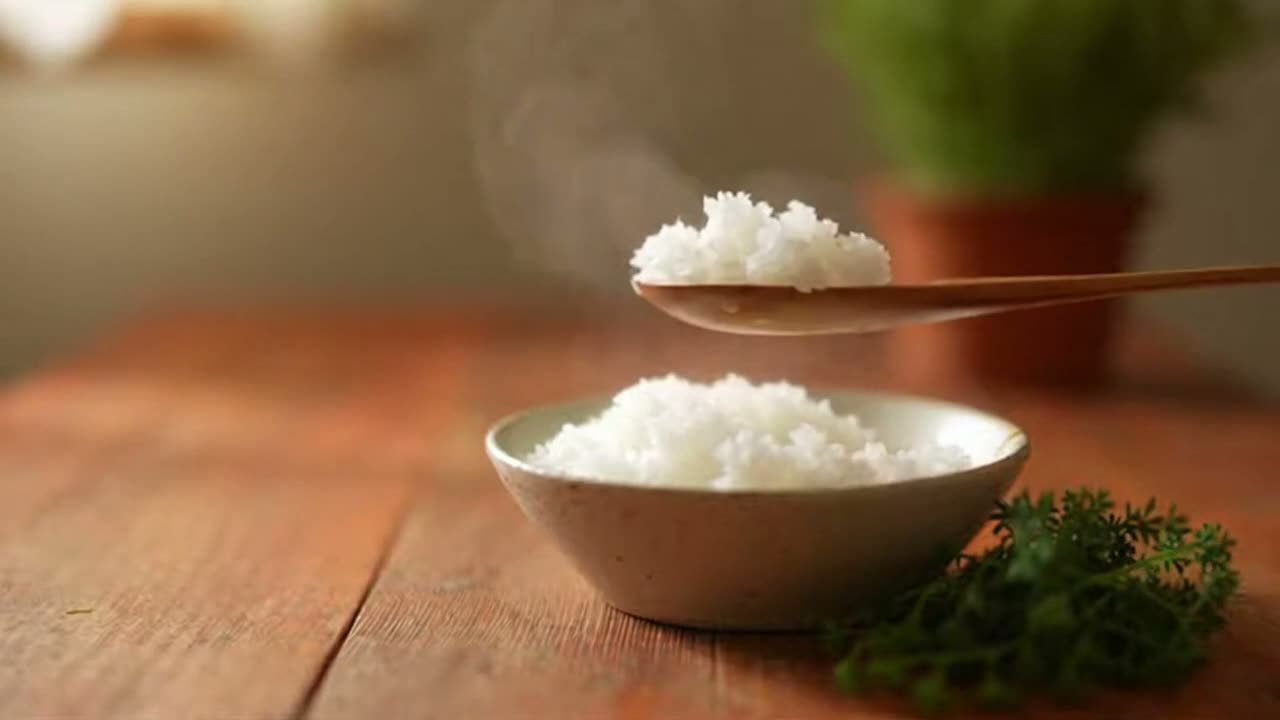
For most adults, konjac rice is not dangerous when it is fully hydrated, chewed normally, and eaten in moderate portions. Konjac rice is usually made from water and konjac flour from Amorphophallus konjac, whose main functional fiber is glucomannan, a soluble fiber evaluated by EFSA for specific health claims EFSA opinion.
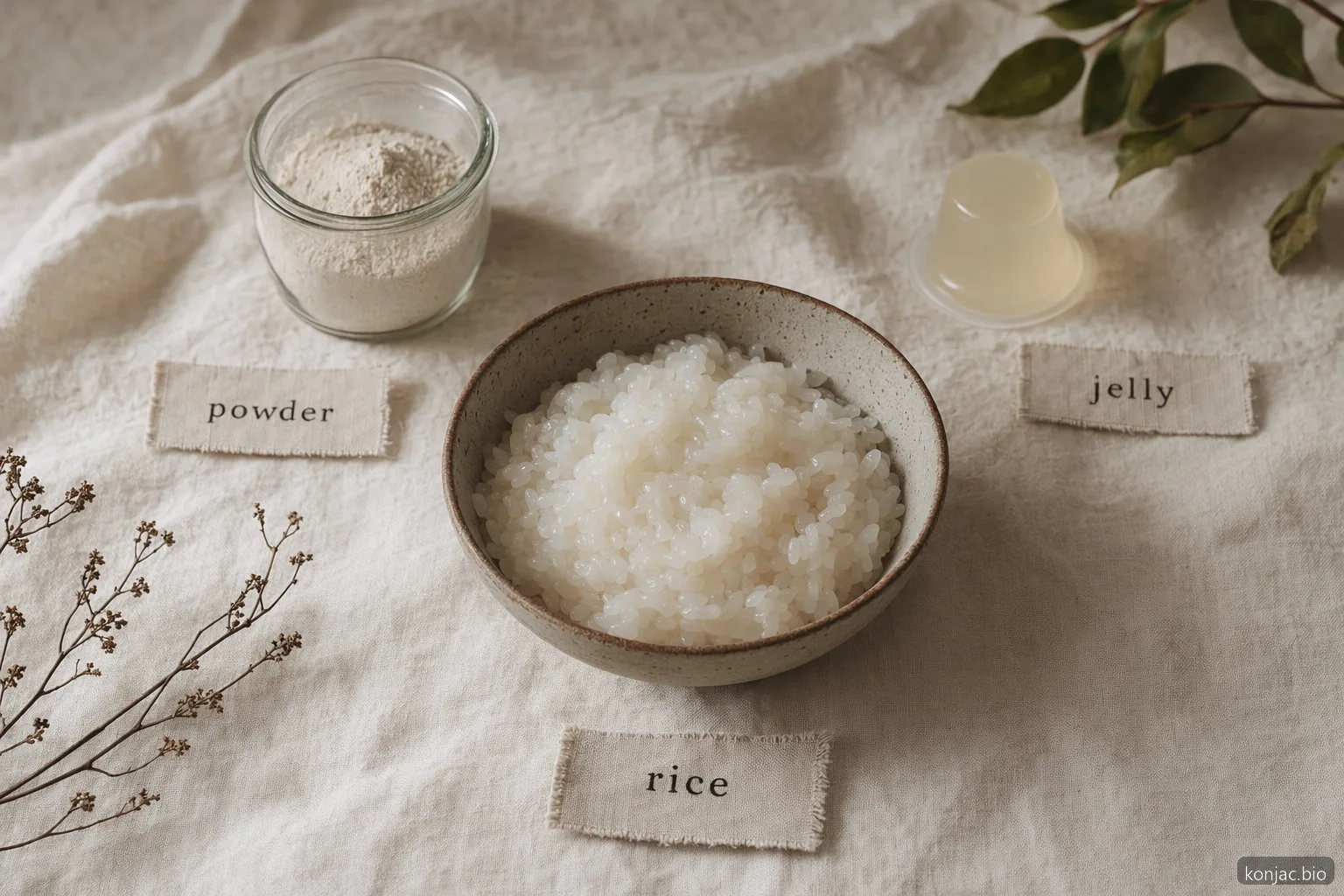
The safety question depends on format. A bowl of rinsed, cooked konjac rice is different from dry konjac powder, concentrated capsules, or konjac mini-cup jelly. Hydrated rice pearls already contain water, so they are less likely to expand suddenly in the throat than dry formats taken without enough liquid.
The main everyday side effects are digestive: gas, bloating, softer stools, or a full feeling. NIH notes that higher fiber intake can cause gas and bloating when people increase fiber quickly NIH fiber. A practical first serving is 50-100 g prepared konjac rice, then increase only if your digestion feels comfortable.
Konjac rice also has very few calories and digestible carbohydrates compared with white rice, so it should not be treated as a complete meal by itself. Pair it with protein, vegetables, and fat if you want a filling plate. For a broader overview of nutrition, cooking, and buying formats, see the parent Konjac Rice guide.

Why can konjac rice cause bloating or stomach discomfort?
Konjac rice can cause bloating because glucomannan is a soluble fiber that holds water and changes how food moves through the gut. EFSA identifies konjac mannan, also called glucomannan, as a water-soluble dietary fiber EFSA opinion.
Most konjac rice discomfort comes from portion size, not toxicity. A person who rarely eats high-fiber foods may feel bloated after a large bowl because the gut is adjusting to a dense soluble fiber. The same pattern can happen with beans, psyllium, inulin, or large servings of raw vegetables.
Use this portion ladder if you are new to konjac rice:
- First meal: 50-100 g prepared konjac rice with a normal entree.
- Second to fourth meal: 100-150 g if the first serving felt fine.
- Ongoing use: rotate with vegetables, protein, and other low-carb bases.
Drink water with the meal, but do not force excessive fluid. Konjac rice is already hydrated, so normal mealtime water is usually enough. Dry konjac powder and capsules are different because they can absorb water after swallowing, which is why EFSA requires clear wording about taking glucomannan with plenty of water for approved claims EFSA opinion.
If discomfort is sharp, repeated, or unusual for you, stop eating konjac rice and get qualified medical guidance. That is especially sensible for anyone with a history of swallowing difficulty, narrowed gastrointestinal passages, or prior digestive surgery.
When is konjac rice dangerous?
Konjac rice is dangerous mainly when konjac is dry, highly concentrated, poorly hydrated, or served to someone with swallowing difficulty. The most cited safety issue around konjac is choking risk, especially with mini-cup gel candies and dry supplement formats.
The FDA warned consumers not to eat mini-cup jelly products containing konjac because the gel can lodge in the throat and create a choking hazard FDA warning. That warning is about a specific jelly format, not ordinary hydrated konjac rice, but it explains why texture and serving size matter.
Risk is higher in these situations:
| Situation | Why it matters | Safer choice |
|---|---|---|
| Dry powder or capsules | Glucomannan expands with water after swallowing. | Use only with plenty of water and follow label directions. |
| Mini-cup jelly | Firm gel pieces can be hard to dislodge. | Avoid for children, older adults, and anyone with swallowing difficulty. |
| Large bites of rice pearls | Slippery texture can be swallowed too quickly. | Chew well and mix with vegetables or sauce. |
| Oral prescriptions | Fiber may slow or reduce absorption of some oral products. | Separate by at least two hours unless your clinician advises otherwise. |
Konjac rice should also be handled like any refrigerated ready-to-eat food. Keep opened packs chilled if the label requires refrigeration, use clean utensils, and discard any product with off odor, swollen packaging, or visible spoilage. Food safety basics still apply even when the food is low in calories.
Safe preparation checklist for konjac rice
Safe konjac rice preparation is simple: rinse, heat, drain well, and combine it with a balanced meal. Most packaged konjac rice has an alkaline packing liquid that smells earthy or fishy when opened. Rinsing under running water for 30-60 seconds removes much of that aroma.
- Open and drain: Pour off the packing liquid completely.
- Rinse: Rinse in a fine strainer for 30-60 seconds.
- Boil or pan-heat: Heat for 2-3 minutes to improve texture.
- Dry the surface: Stir in a dry pan for 1-2 minutes if you want better sauce cling.
- Build a meal: Add protein, vegetables, and a flavorful sauce.
Konjac rice is not a one-for-one nutrition replacement for brown rice, beans, quinoa, or lentils. It is best used as a low-carb base when the rest of the plate supplies protein, micronutrients, and calories. For cooking details, see how to cook konjac rice.
People often overeat konjac rice because the calories look extremely low. A better habit is to choose a serving by volume, not by calories alone. One cup of prepared konjac rice can be enough when mixed with stir-fried vegetables, eggs, tofu, fish, chicken, or lean meat.
If you are using glucomannan for an EFSA-recognized weight claim, the approved wording is: “Glucomannan in the context of an energy restricted diet contributes to weight loss” EFSA opinion. EFSA ties that claim to 3 g daily in three 1 g doses with 1-2 glasses of water before meals, which is a supplement-style use, not the same as casually eating a bowl of konjac rice.
Konjac rice safety compared with other low-carb rice swaps
Konjac rice has a different safety profile from cauliflower rice, hearts of palm rice, and high-fiber grain blends. Its biggest advantage is very low digestible carbohydrate content, while its main caution is the concentrated soluble fiber texture. Cauliflower rice is bulkier and less gel-like, but it brings a stronger vegetable flavor and more fermentable carbohydrates for some people.
| Rice swap | Main advantage | Main caution |
|---|---|---|
| Konjac rice | Very low calorie and low digestible carbohydrate base. | Start small if sensitive to soluble fiber. |
| Cauliflower rice | Vegetable-based and easy to cook from frozen. | Can smell sulfurous and may cause gas. |
| Hearts of palm rice | Mild flavor and firmer bite. | Higher sodium in some packaged products. |
| Fiber grain blends | Closer to traditional rice texture. | Often higher in calories and carbohydrates. |
Choose konjac rice when you want a neutral, low-carb base for curry, fried rice, burrito bowls, or meal prep. Choose vegetable rice when you want more produce volume and do not need the lowest carbohydrate count. For a direct comparison, see konjac rice vs cauliflower rice.
konjac.bio sources konjac ingredients at wholesale volumes for brands developing low-carb rice, noodles, and ready meals. For specifications and pricing, contact the team.
Frequently asked questions
01 Is konjac rice dangerous if eaten every day?
02 Can konjac rice cause choking?
03 Does konjac rice affect oral prescriptions or supplements?
04 Is konjac rice safe for children?
05 What should I do if konjac rice makes my stomach hurt?
- Scientific Opinion on the substantiation of health claims related to konjac mannan (glucomannan) · European Food Safety Authority · 2010
- Import Alert 33-15: Detention Without Physical Examination of Gel Candies Containing Konjac · U.S. Food and Drug Administration · 2024
- Fiber (MedlinePlus Medical Encyclopedia) · U.S. National Library of Medicine, MedlinePlus · 2024
- The effect of glucomannan on plasma lipid and glucose concentrations, body weight, and blood pressure: systematic review and meta-analysis · PubMed · 2008