Does glucomannan weight loss evidence support real results?
Yes, glucomannan weight loss evidence supports modest results when the fiber is used with calorie control, not as a stand-alone shortcut.
The key European wording is specific: “Glucomannan in the context of an energy restricted diet contributes to weight loss” EFSA claim. EFSA also states the condition of use as 3 grams per day in three 1 gram doses, each taken with 1 to 2 glasses of water before meals EFSA opinion.
A systematic review of randomized clinical trials found that glucomannan did not produce statistically significant body weight reduction across all included trials, which shows why expectations should stay realistic PubMed review. Smaller individual trials have reported reductions in body weight when glucomannan was combined with diet structure, but trial design, duration, and compliance vary clinical trial.
The practical takeaway is simple: glucomannan may support satiety and calorie reduction, but it cannot offset frequent high-calorie meals. For the broader keto context, see Konjac for Keto and Weight Loss.
How much glucomannan weight loss intake is typically used?
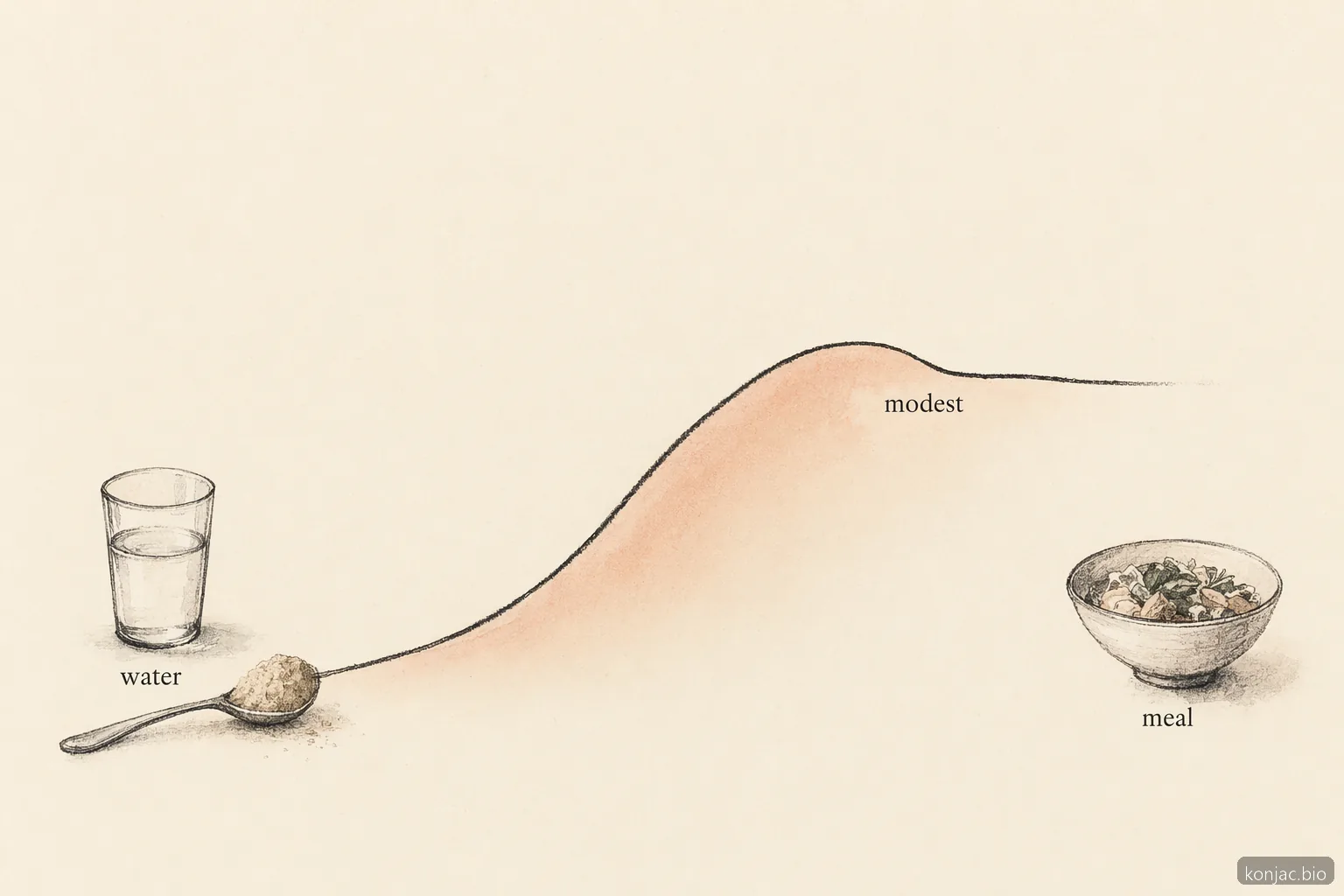
The most cited glucomannan weight loss intake is 3 grams per day, divided into three 1 gram servings before meals.
EFSA’s condition of use specifies 1 gram before each of three meals, taken with 1 to 2 glasses of water, as part of an energy-restricted diet EFSA claim. This matters because glucomannan is highly water-binding, and dry powder or capsules can swell quickly if not taken correctly.
| Use factor | Practical target |
|---|---|
| Daily amount | 3 grams total |
| Serving pattern | 1 gram before breakfast, lunch, and dinner |
| Water | 1 to 2 glasses per serving |
| Diet context | Energy-restricted meals |
| Expectation | Modest support, not automatic fat loss |
For consumers, capsules, powder, and konjac foods have different dosing realities. Capsules make gram-level intake easier to measure, while shirataki noodles and konjac rice are mainly meal-volume tools because their glucomannan content depends on the exact formulation.
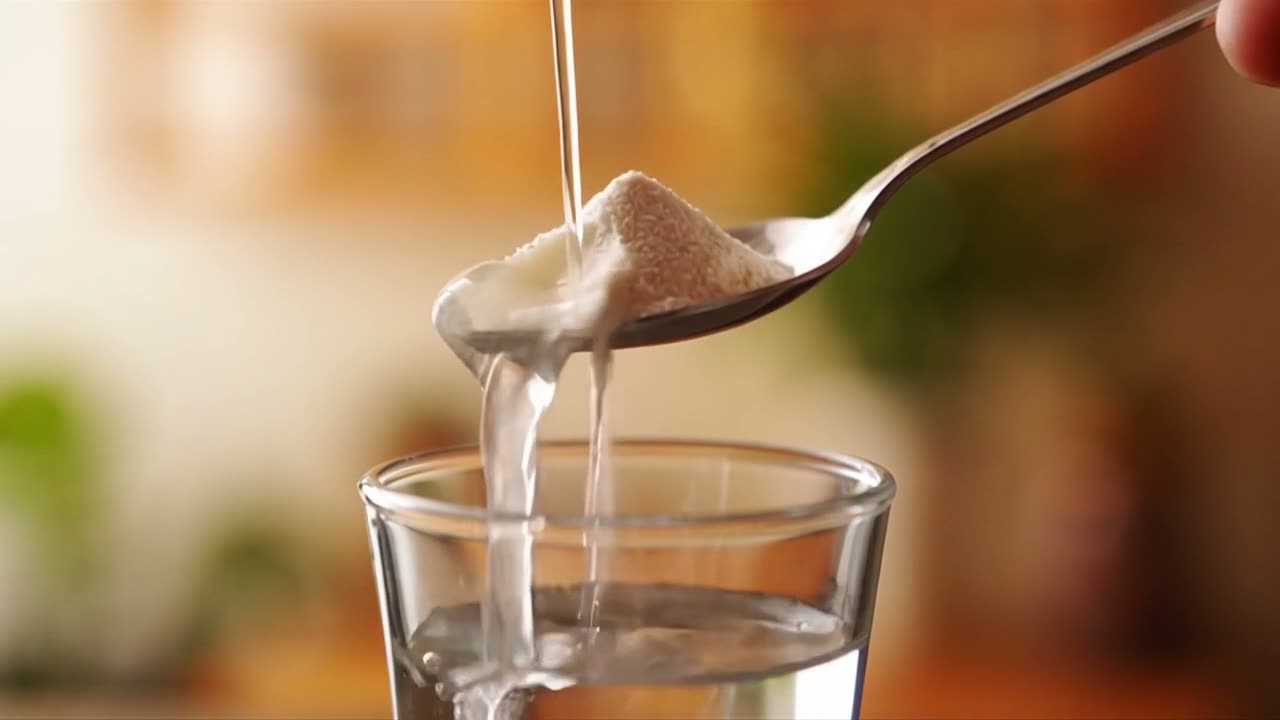
People using glucomannan powder in drinks should mix it thoroughly and drink promptly. Thick gels are a normal physical property of konjac glucomannan, but very thick mixtures are not ideal for casual consumption.
Why does glucomannan feel filling?
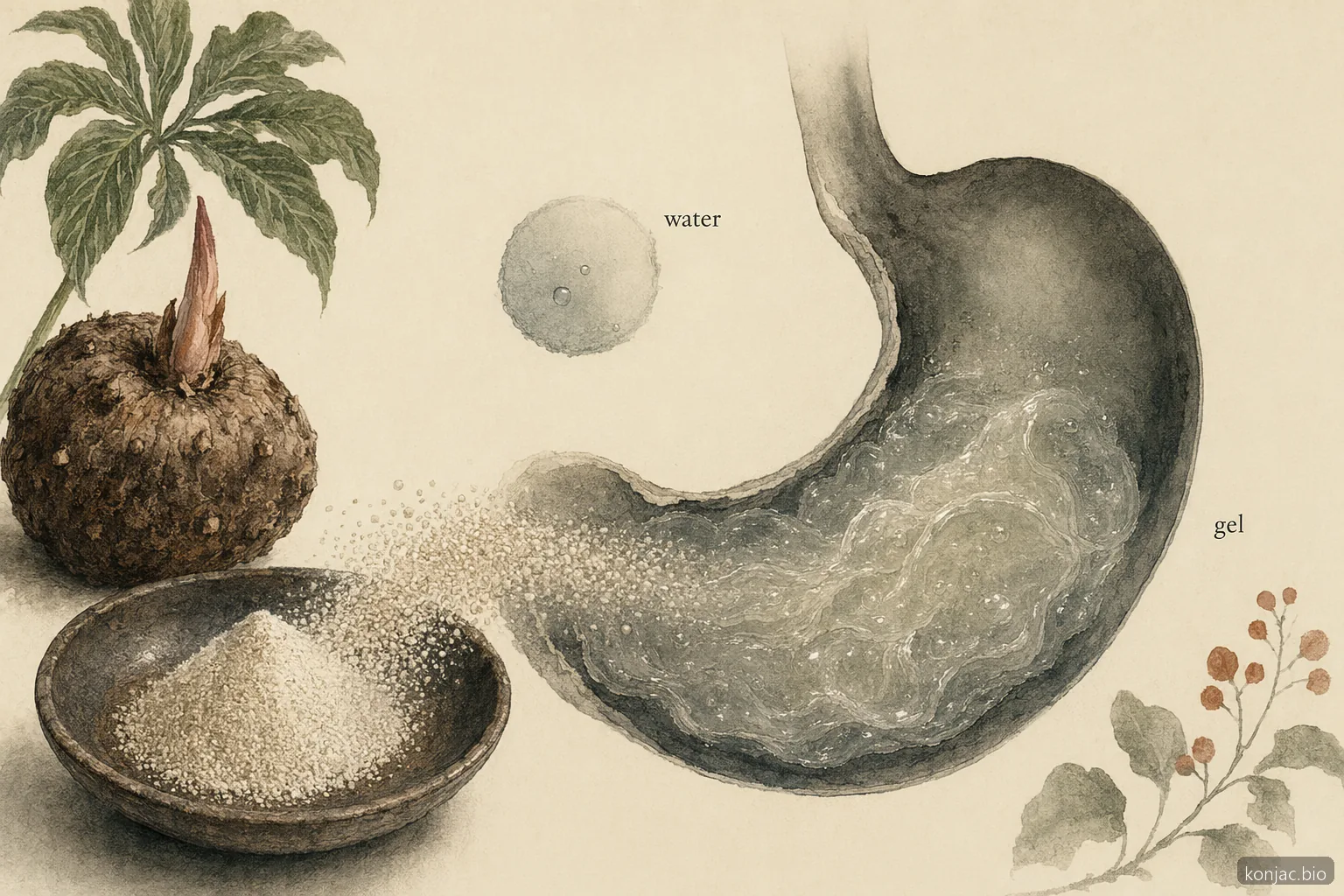
Glucomannan feels filling because it is a soluble, water-binding fiber from Amorphophallus konjac that forms viscous gels in liquid.
Konjac glucomannan comes from the corm of Amorphophallus konjac, a plant used in Asian foods such as konjac jelly, konjac flour, and shirataki noodles ScienceDirect. Its main functional trait is viscosity, which means it can thicken water and food systems at low concentrations.
That viscosity is why glucomannan is common in low-calorie eating plans. It increases the physical volume of food or liquid without adding digestible starch, sugar, or fat in the same way as ordinary pasta or rice.
- In water: it hydrates and thickens quickly.
- In noodles: it helps create a chewy, low-calorie structure.
- In satiety plans: it may help reduce meal energy intake by increasing fullness.
The mechanism is physical, not magical. Glucomannan adds viscosity and bulk, while weight change still depends on sustained calorie balance, protein intake, activity, sleep, and adherence.
Practical ways to use glucomannan on keto
Glucomannan fits keto best when it replaces higher-carb starches or adds texture to meals that already contain protein, fat, and low-carb vegetables.
The easiest food-based route is shirataki noodles. They are usually packed in water, rinsed before use, then heated in a dry pan or sauce to improve texture. For a detailed noodle-focused guide, see shirataki noodles on keto.
Konjac rice works similarly for bowls, stir-fries, and low-carb meal prep. It can replace part or all of a rice serving, which helps reduce digestible carbohydrate load while keeping plate volume. For rice-style applications, see konjac rice calories.
- Start with food first: try shirataki noodles or konjac rice in one meal per day.
- Add protein: pair with eggs, tofu, fish, poultry, beef, or tempeh.
- Use strong sauces: ginger, garlic, tamari, chili, sesame, tomato, or curry improve flavor.
- Watch calories: creamy sauces, oils, nuts, and cheese can erase the calorie advantage.
- Use supplements carefully: follow gram-level serving instructions and water guidance.
For product developers, konjac.bio sources konjac ingredients at wholesale scale for noodles, rice analogs, gummies, sauces, and fiber blends. Contact the team for specifications, MOQ, and pricing.
Safety, labeling, and sourcing considerations
Safe glucomannan use depends on hydration, serving format, label clarity, and appropriate manufacturing controls.
The biggest practical safety issue is swelling before the material reaches the stomach. EFSA’s condition of use includes 1 to 2 glasses of water with each 1 gram dose, which is a core label point for capsules and powders EFSA opinion.
The FDA has also highlighted choking risk for certain gel candies containing konjac, especially mini-cup jelly formats that can lodge in the throat FDA warning. This concern is format-specific, but it shows why texture, portion size, and directions matter in konjac product design.
For brands, quality control should cover mesh size, viscosity grade, purity, microbiology, heavy metals, allergens, and country-specific labeling rules. Food businesses often request certifications such as ISO 22000, HACCP, halal, kosher, organic, or non-GMO documentation depending on channel and region.
A practical label should state the serving size in grams, water instructions, timing before meals if a weight-management claim is used, and a caution against dry swallowing. Conservative wording such as “may support fullness” is safer than promising large or guaranteed body-weight change.
Frequently asked questions
01 Does glucomannan help with weight loss?
02 How much glucomannan should be used for weight management?
03 Is glucomannan keto-friendly?
04 When should glucomannan be taken?
05 Are glucomannan capsules better than konjac noodles?
06 What are the main safety tips for glucomannan?
- Scientific Opinion on substantiation of health claims related to konjac mannan and weight loss · EFSA · 2010
- The efficacy of glucomannan supplementation in overweight and obesity: a systematic review and meta-analysis of randomized clinical trials · Journal of the American College of Nutrition (PubMed) · 2014
- Import Alert 33-15: Detention Without Physical Examination of Gel Candies Containing Konjac · U.S. Food and Drug Administration · 2024
- Experiences with three different fiber supplements in weight reduction · Medical Science Monitor (PubMed) · 2005